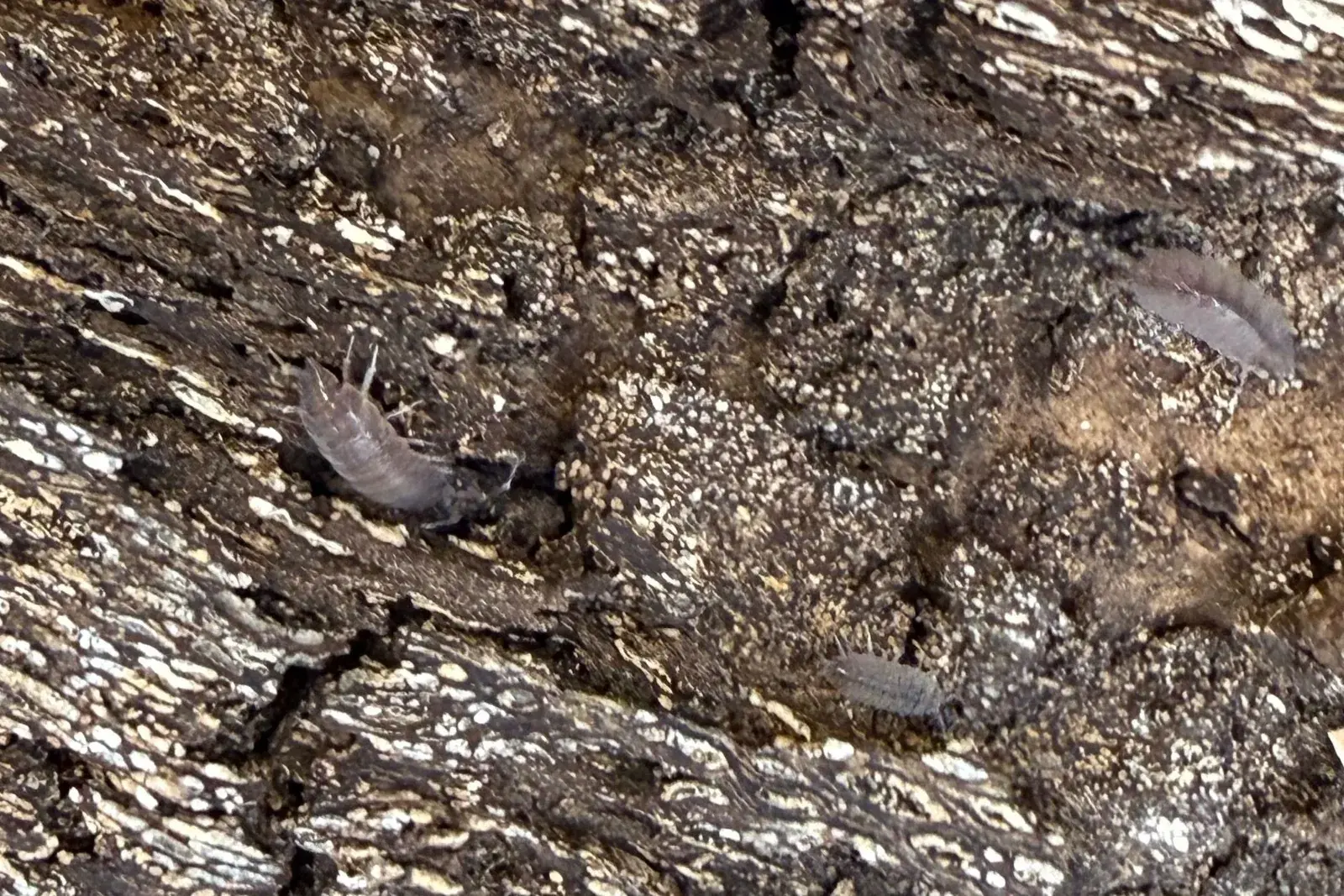
Powder Blue Isopods
Porcellionides pruinosus "Powder Blue"
Soft slate-blue with a frosty white bloom. Fast, adaptable, and a bioactive cleanup staple.
$14.00
In stockCulture size
Ships to the contiguous US, Alaska and DC. Not to HI, PR, GU, VI, AS, MP.
Live-Arrival Guarantee
If more than 10% of your culture arrives dead, tell us within 12 hours of delivery (with photos) and we replace or refund every dead animal.
See shipping & guarantee for how claims work.
USDA APHIS permitted shipper
We ship under federal PPQ 526 permits, and only to states they allow for this species.
Our permit numbers: isopodpatch.com/permits
Free 3D figurine with every order
Patch the Isopod, our 3D-printed mascot, ships free in every box, printed the same day as your order.
Difficulty
Beginner
Adult size
8–12 mm
Temperature
70–82 °F
Humidity
50–75%
Breeding
Prolific
Role
Cleanup crew
About
Meet the Powder Blue
Porcellionides pruinosus "Powder Blue" is named for the delicate, powdery bloom that gives its slate-blue shell a frosted finish. Adults stay small, around 1 cm, and are quick on their feet.
Powder Blues are one of the most popular cleanup crews in the hobby: they breed fast and work the top layer of substrate constantly, breaking down waste and leftovers. They fit a wide range of setups, from a humid ball python enclosure to an arid bearded dragon tank, as long as they have a damp corner to retreat to. Their speed and size also make them a good supplemental snack for small insectivores.
Your culture arrives snug in damp paper towel with a mix of juveniles and adults. Every order is covered by our live-arrival guarantee and includes Patch the Isopod, our free 3D-printed mascot figurine.
Husbandry
Care snapshot
Substrate
Diet
Native range
Keeper notes
First week
- Expect a disappearing act: powders sprint for cover and stay hidden for the first few days.
- Keep about a quarter of the enclosure moist (damp moss or a damp spot under bark) and the rest dry. They need that damp corner, but do worse when everything is wet.
- Add a pinch of protein after a few days; well-fed powders settle in and start breeding quickly.
- Cover vents with fine mesh: the babies are tiny and quick.
In your box
What you'll receive
10 healthy, captive-bred animals of mixed sizes (10-count culture)
A snug, escape-proof cup with pin-sized air holes and damp, plant-free packing for the journey
Triple-packed in a styrofoam-insulated box, with a heat or cold pack when the weather calls for one
Our permit number, the APHIS Environmental Awareness Letter and a handling & disposal card
Live-Arrival Guarantee on every order
Patch the Isopod, a free 3D-printed figurine
Powder Blue Isopods: common questions
How big do Powder Blue isopods get?
Small: adults stay around 1 cm (8–12 mm), and they are quick on their feet.
Why did my Powder Blues disappear after I added them?
That is normal. Powders are fast and skittish: they sprint for cover when disturbed and stay hidden for the first few days.
Can Powder Blues live in an arid enclosure?
Yes, as long as they have a damp corner: they fit setups from a humid ball python enclosure to an arid bearded dragon tank. Keep about a quarter of the substrate moist and the rest dry; they do worse when everything is wet.
Are Powder Blue, Powder Orange and White Out different species?
No. All three are color forms of Porcellionides pruinosus with the same care. Powder Blue is slate-blue under a frosty white bloom; Powder Orange is tangerine; White Out has no pigment at all.
When does the powdery coating look best?
Right after a molt, when the bloom looks brightest.
Cross-sell
Pairs well with
Keep browsing
More isopods
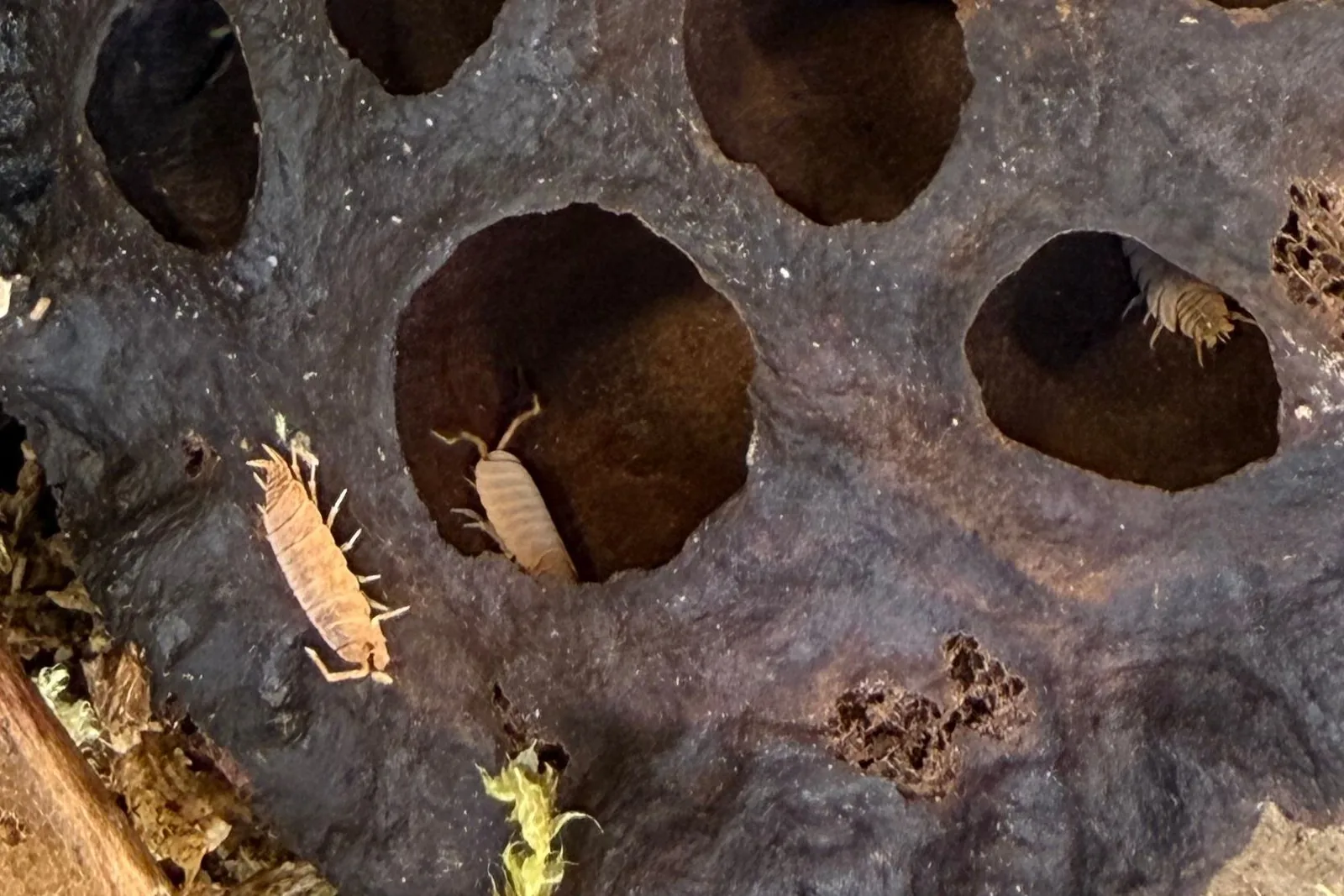
Same species, different color: Powder Blue is a color form of Porcellionides pruinosus, like Powder Orange Isopods and White Out Isopods.